
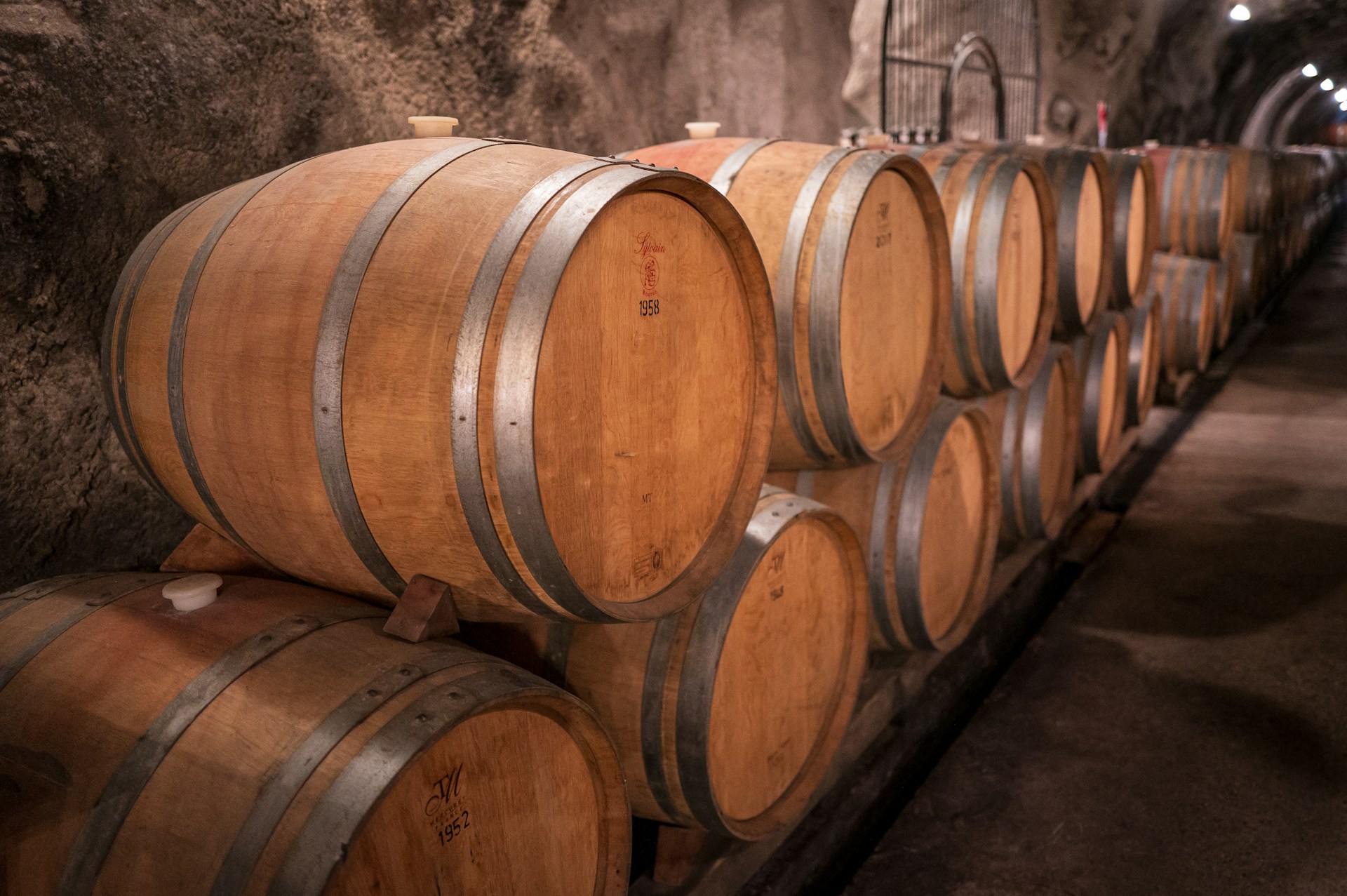
Urban Wineries: Crafting Wine in the Concrete Jungle
When most people picture a winery, they imagine rolling vineyards, sun-drenched hillsides, and quiet country roads. But a new wave of wine producers is challenging that image. Across major cities worldwide, urban wineries are carving out space in warehouses, industrial districts, and even downtown neighborhoods. These city-based operations are proving that great wine doesn’t have to be made where the grapes are grown. Instead, they’re bringing production closer to the people who drink it, reshaping wine culture in the process.
From Vineyard to Warehouse

Urban wineries typically source their grapes from established vineyards in renowned wine regions, then transport the harvest into the city for crushing, fermenting, and aging. This model allows each winemaker to maintain close relationships with growers while focusing their craft within an urban setting. The result is a fascinating blend of rural agriculture and metropolitan creativity. Stainless steel tanks sit beneath exposed brick walls, and oak barrels age quietly behind roll-up garage doors. It’s an unexpected contrast that adds character and accessibility to the winemaking process.
Reinventing Industrial Spaces
One of the most exciting aspects of urban wineries is how they breathe new life into forgotten buildings. Old factories, shipping depots, and warehouses are being transformed into vibrant tasting rooms and production facilities. These spaces often retain their raw, industrial charm, giving visitors a relaxed and modern environment that feels different from traditional wine estates. By repurposing existing structures, urban wineries also contribute to sustainable city development, reducing the need for new construction while revitalizing neighborhoods that may have been overlooked.
Bringing Wine Closer to the Consumer
In traditional wine regions, visiting a winery can require hours of travel. Urban wineries eliminate that barrier. City dwellers can stop by after work, meet friends on the weekend, or attend events without planning a countryside getaway. This accessibility helps demystify wine and makes it more approachable to younger, more diverse audiences. Instead of feeling exclusive or intimidating, wine becomes part of everyday urban life. Customers can watch fermentation in action, chat with staff, and gain a deeper appreciation for how their favorite bottle comes to life.
Community-Driven Experiences
Urban wineries thrive on community engagement. Many host live music, art shows, food pop-ups, and educational workshops. The tasting room becomes more than just a place to sample wine—it becomes a social hub. By collaborating with local chefs, artists, and small businesses, these wineries become an integral part of the cultural fabric of their neighborhoods. This approach builds loyalty and fosters a sense of belonging. Patrons aren’t just customers; they feel like participants in an evolving creative scene centered around wine.
Innovation Without Tradition’s Constraints

Without the pressure of maintaining a multigenerational estate or adhering to strict regional expectations, urban wineries often experiment more freely. They may produce small-batch wines, test unconventional blends, or explore natural fermentation techniques. The urban setting encourages bold branding and modern marketing strategies, often leveraging social media and direct-to-consumer sales models. This flexibility allows city-based producers to respond quickly to trends and customer feedback, giving them a competitive edge in an increasingly dynamic market.
Challenges of City-Based Winemaking
Of course, crafting wine in a dense urban environment comes with challenges. Real estate costs are higher, and space is limited compared to sprawling vineyard properties. Logistics require careful planning, especially during harvest season when grapes must be transported quickly and safely. Noise regulations, zoning laws, and city permits can add complexity. Yet many urban wineries view these obstacles as part of the adventure. The constraints often inspire smarter workflows and creative problem-solving.
Urban wineries are reshaping the way we think about where and how wine is made. By merging agricultural tradition with metropolitan energy, they create experiences that feel fresh, accessible, and deeply connected to community life. As cities continue to evolve and consumers seek more interactive, local experiences, the urban winery model is poised to grow. In the heart of the concrete jungle, wine is finding a new home—one warehouse, tasting room, and neighborhood gathering at a time.
Related Posts
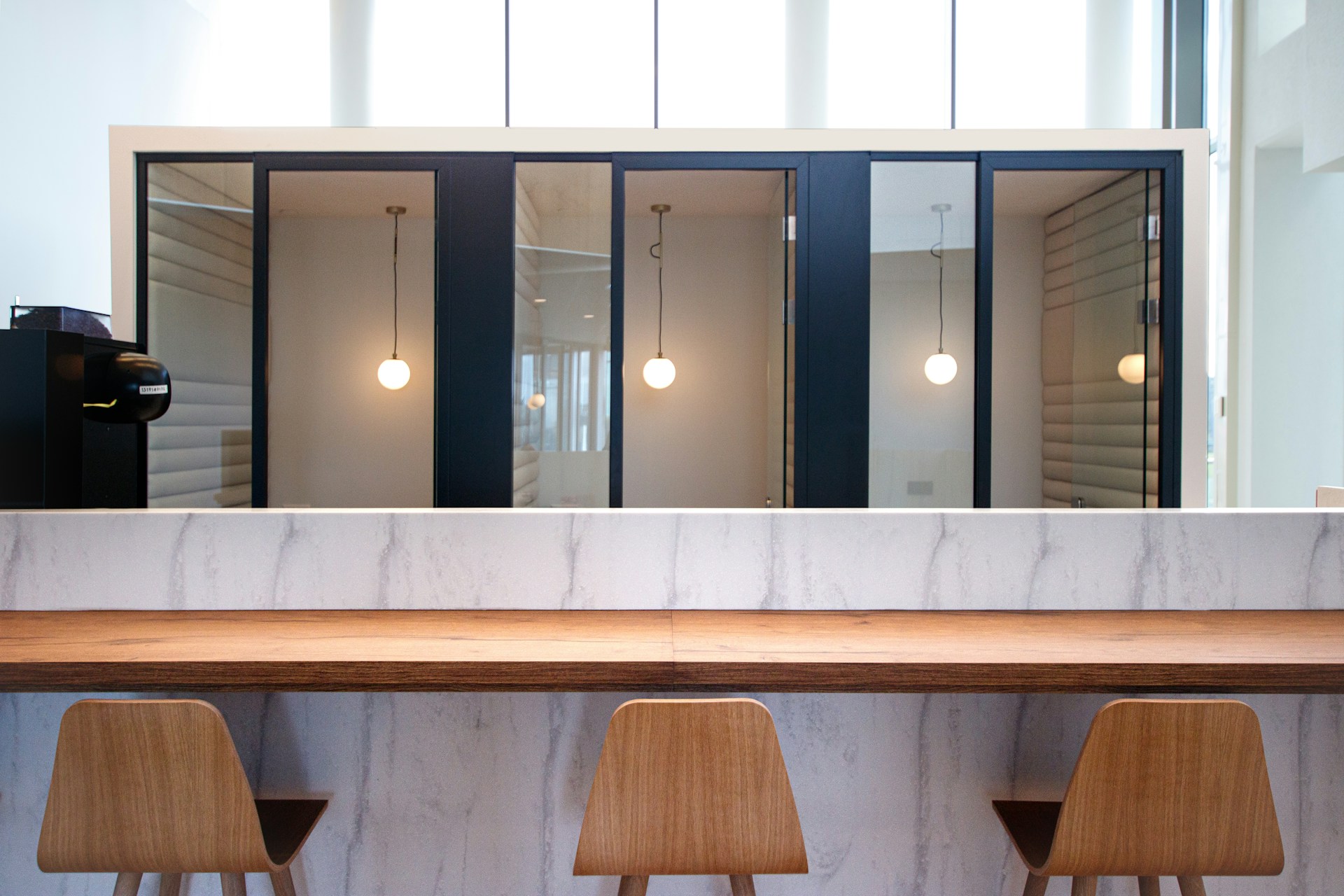
In today’s fast-paced work environment, open offices have become the norm. They promote collaboration and communication, but often come with […]
Read more
Imagine you’ve been scrolling through your social media feed, and you come across a video ad that touches your heart […]
Read more
If you are interested in learning more about the Bible, you should start with the Gospels. The Gospels are the […]
Read more